
How Body-Based Therapy Helps Regulate the Nervous System

Many people come to therapy knowing something feels off — anxiety that won’t settle, chronic tension, emotional overwhelm, or a sense of being constantly “on edge.”
They may understand their experiences intellectually. But their body hasn’t caught up yet.
Body-based therapy focuses on helping the nervous system regain balance, safety, and flexibility — often in ways that traditional talk therapy alone cannot reach.
If you're new to this approach, you can learn more about our clinical model of somatic therapy at Wise Roots Therapy.
Why the Nervous System Matters in Healing
The nervous system acts as the body’s internal safety detector. It constantly scans for cues of:
danger
connection
safety
overwhelm
When stress or trauma occurs, the nervous system shifts into survival responses designed to protect us.
These responses are not psychological weakness — they are biological adaptations. Common nervous system patterns include:
Fight: irritability, tension, anger
Flight: anxiety, racing thoughts, restlessness
Freeze: numbness, shutdown, exhaustion
Fawn: people-pleasing or difficulty setting boundaries
Body-based therapy works directly with these physiological responses rather than only analyzing thoughts or behaviors.

What Is Body-Based Therapy?
Body-based (or somatic) therapy recognizes that experiences live not only in memory, but also in the body. Instead of asking only “What are you thinking?” therapy also explores:
What sensations do you notice?
Where do emotions show up physically?
How does your body respond to stress or safety?
Through guided awareness, clients learn to notice and gently shift nervous system states. Our approach to somatic therapy sessions integrates trauma-informed care, attachment understanding, and nervous system science.

How Trauma Affects Nervous System Regulation
When overwhelming experiences occur, the nervous system may remain stuck in protective modes long after danger has passed. This can look like:
chronic anxiety despite logical reassurance
difficulty relaxing or sleeping
emotional reactivity
feeling disconnected from your body
cycles of burnout and shutdown
The body remembers unfinished survival responses. Body-based therapy helps complete those responses safely, allowing the nervous system to return to regulation.

How Body-Based Therapy Supports Regulation
Rather than forcing calm, somatic therapy builds regulation gradually through awareness and experience.
1. Increasing Interoceptive Awareness
Clients learn to notice subtle body sensations — tension, warmth, breathing shifts — which strengthens self-regulation.
2. Expanding the Window of Tolerance
Therapy gently helps the nervous system tolerate emotions without overwhelm or shutdown.
3. Completing Survival Responses
Small physical shifts allow stored fight, flight, or freeze energy to release safely.
4. Building Felt Safety
Regulation develops through repeated experiences of safety inside the body, not just intellectual understanding. You can explore how this process is applied clinically through our somatic therapy approach in Nashville.
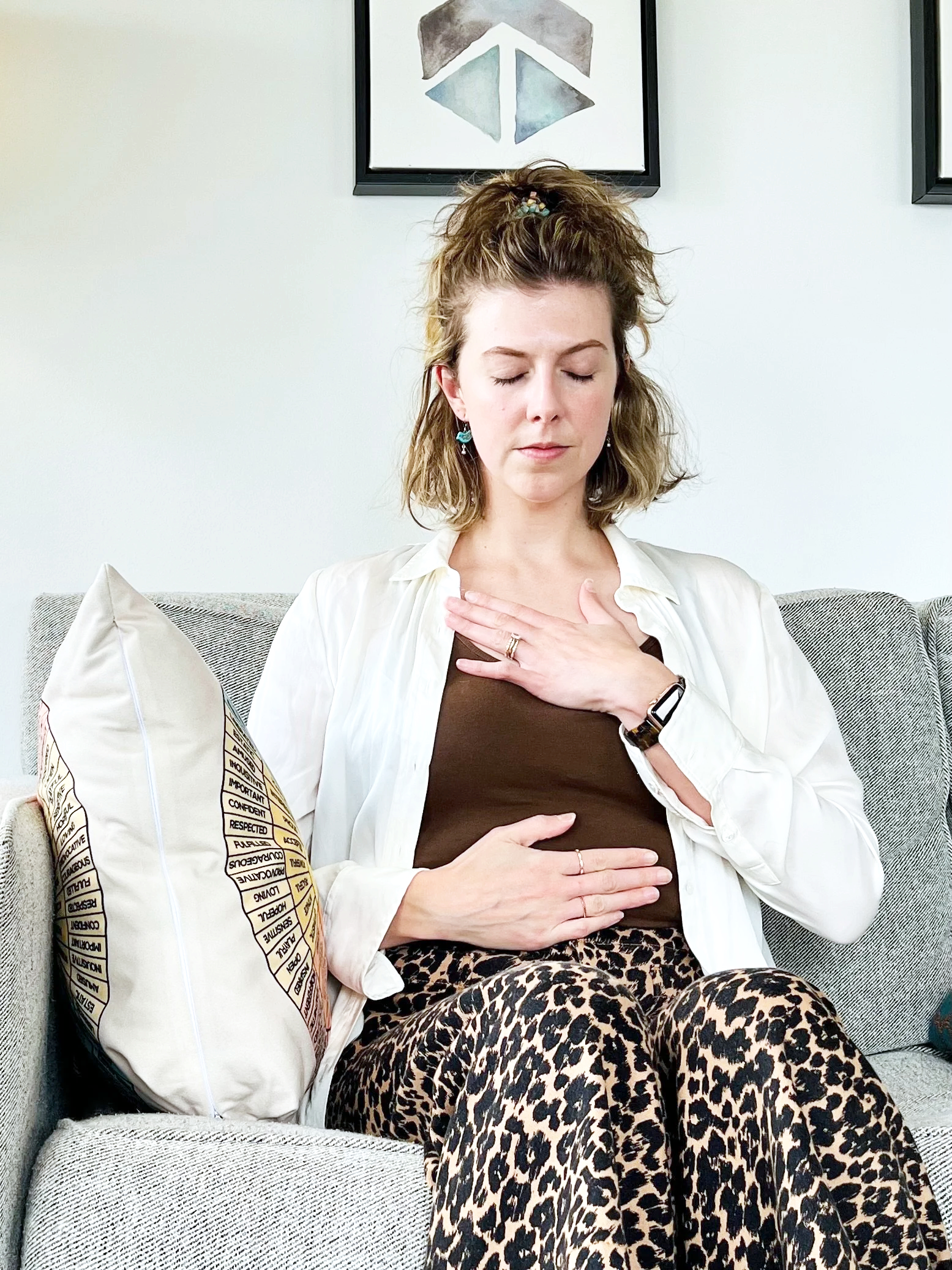
So, what Happens in a Body-Based Therapy Session?
Many people imagine somatic therapy as movement-heavy or unusual. In reality, sessions often feel grounded, collaborative, and surprisingly gentle. A session may include:
noticing breathing patterns
tracking body sensations
slowing emotional experiences
grounding exercises
guided nervous system regulation practices
There is no pressure to perform, move, or share more than feels comfortable. The goal is to help your nervous system learn — through experience — that safety is possible again.

Why Regulation Happens Through the Body
Insight alone does not always calm survival responses. That’s because the nervous system operates largely outside conscious control. Body-based therapy works “bottom-up,” meaning it engages physiological processes first, allowing emotional and cognitive changes to follow naturally. Clients often notice:
reduced anxiety intensity
improved emotional resilience
deeper presence with loved ones
better sleep and recovery from stress
increased sense of grounding
Who Benefits From Body-Based Therapy?
Somatic approaches are especially helpful for people who:
feel stuck despite years of therapy
experience trauma or chronic stress
live with anxiety or panic symptoms
notice strong physical stress responses
struggle with burnout or emotional numbness
are navigating pregnancy, postpartum, or parenting transitions
Many new parents discover that nervous system regulation becomes essential during major life transitions. If you’re wondering whether this approach fits your needs, our somatic therapy services page offers a deeper overview.

Regulation Is Not About Always Feeling Calm
One of the biggest misconceptions is that healing means constant relaxation. Healthy nervous systems are flexible, not permanently calm. Regulation means the ability to:
move through stress
recover more quickly
stay connected during difficult emotions
return to safety after activation
Body-based therapy helps build this flexibility over time.
FAQs:
-
Yes. Body-based therapy is an umbrella term describing therapeutic approaches that work with physical sensations and nervous system regulation.
-
No. Many sessions involve subtle awareness practices rather than movement. Therapy is adapted to each client’s comfort level.
-
Yes. Because anxiety involves nervous system activation, somatic approaches directly support regulation and reduce physiological stress responses.
-
Somatic therapies draw from neuroscience, trauma research, attachment theory, and regulation science increasingly supported by clinical evidence.
-
Regulation develops gradually through repeated experiences of safety and awareness rather than quick symptom control.
If you’ve tried to think your way into feeling better but your body still feels tense, anxious, or overwhelmed, you’re not doing anything wrong. Healing sometimes needs to happen where stress actually lives — in the nervous system.
About the Author
Kara Guindin, LCSW is a licensed therapist in Nashville specializing in trauma, EMDR, and maternal mental health.

Wise Roots Therapy provides specialized trauma and maternal mental health support in Nashville and across Tennessee. Kara Guindin, LCSW, is a Certified EMDR Therapist offering compassionate, research-supported care in a calm and supportive environment.